Whole Poppy Seeds: Benefits, Uses, Cultivation & Why Poppy Seeds Are Valued Worldwide
Whole Poppy Seeds are among the world’s most widely used culinary seeds, valued for their mild nutty flavor, crunchy texture, and versatile applications in bakery products, traditional cuisines, spice blends, and processed foods. Used extensively in Indian, Middle Eastern, European, and international culinary traditions, poppy seeds continue to remain an important ingredient in both household cooking and commercial food industries.
Derived from the seed pods of the Papaver somniferum plant, whole poppy seeds are known for their tiny size, smooth texture, and rich culinary compatibility. Their subtle flavor and visual appeal make them highly popular in breads, desserts, gravies, sweets, pastries, and gourmet food preparations.
In premium spice and culinary ingredient markets, whole poppy seeds continue to attract strong demand because of their versatility, texture-enhancing properties, and wide food industry applications.
Today, whole poppy seeds remain one of the most valued specialty culinary seeds in global food and spice industries.
Table of Contents
- What Are Whole Poppy Seeds?
- Why Poppy Seeds Are Popular Worldwide
- Origin and History of Poppy Seeds
- Types of Poppy Seeds
- How Poppy Seeds Are Cultivated
- What Makes Whole Poppy Seeds Unique?
- Whole Poppy Seeds Benefits
- Nutritional Value of Poppy Seeds
- Uses of Poppy Seeds in Different Industries
- Whole Poppy Seeds vs Ground Poppy Seeds
- Poppy Seeds in Global Cuisines
- Global Demand for Whole Poppy Seeds
- How to Store Poppy Seeds Properly
- Frequently Asked Questions About Poppy Seeds
- Conclusion
What Are Whole Poppy Seeds?
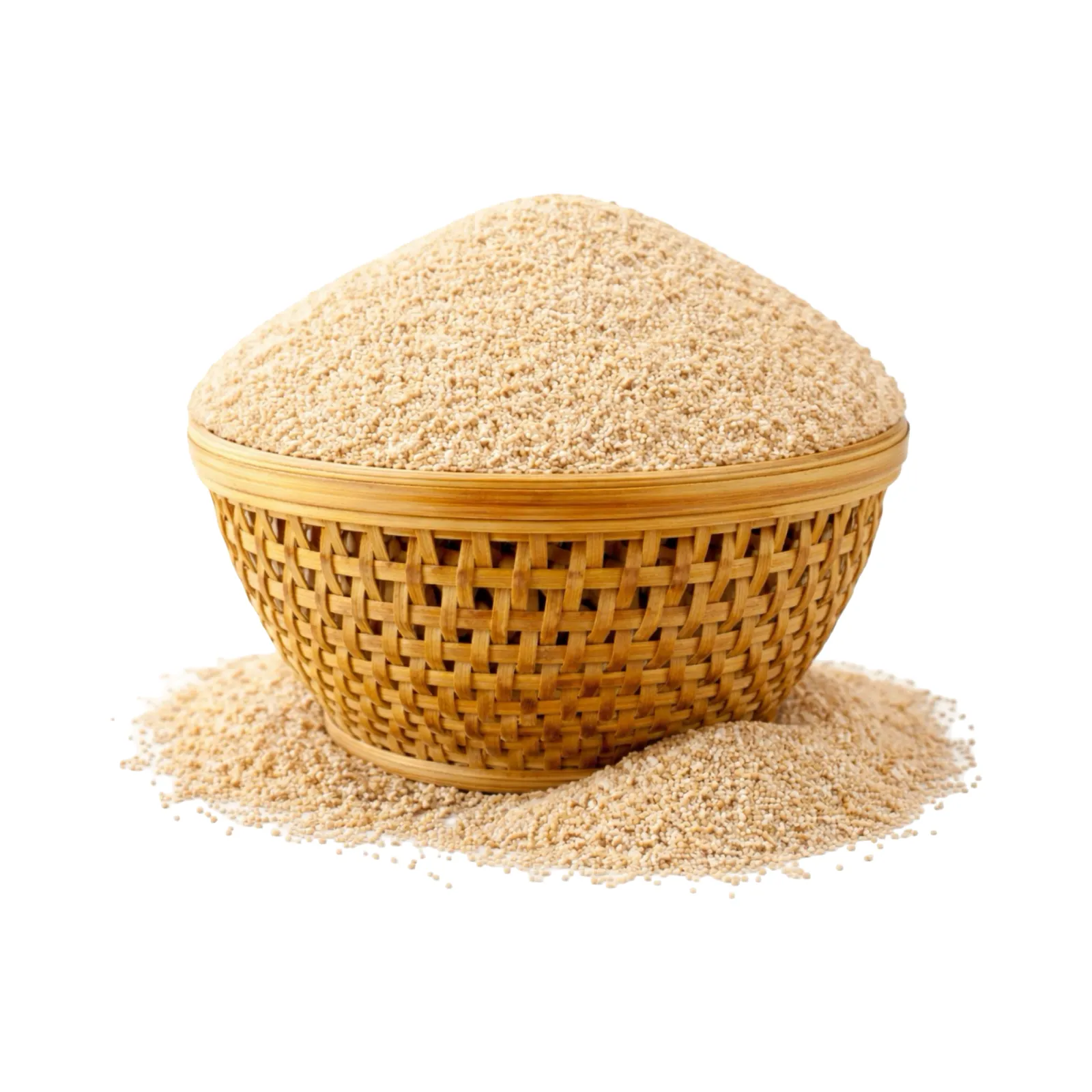
Whole poppy seeds are tiny edible seeds obtained from the dried seed pods of the Papaver somniferum plant.
These seeds are widely recognized for their:
- Mild nutty flavor
- Smooth texture
- Crunchy consistency
- Culinary versatility
- Decorative food applications
Whole poppy seeds are commonly used in:
- Bakery products
- Desserts
- Curry gravies
- Traditional sweets
- Spice mixtures
- Gourmet food preparations
Poppy seeds are available in multiple forms, including:
- Whole poppy seeds
- Ground poppy paste
- Roasted poppy seeds
- Organic poppy seeds
- Commercial food-grade poppy seeds
Because of their texture and broad culinary compatibility, poppy seeds remain highly valued in domestic and international food industries.
Why Poppy Seeds Are Popular Worldwide
Poppy seeds remain globally popular because of their unique texture and extensive culinary applications.
Major reasons for worldwide demand include:
- Mild nutty flavor
- Decorative culinary appearance
- Bakery industry demand
- Versatile food applications
- Rich texture enhancement
- Specialty culinary uses
- Traditional food importance
Poppy seeds are widely used in Indian, European, Middle Eastern, and international cuisines.
Origin and History of Poppy Seeds
Poppy seeds have a long history connected to ancient agriculture and culinary traditions.
Historically:
- Poppy seeds were widely used in breads and traditional dishes
- Ancient civilizations valued poppy seeds for culinary applications
- Bakery industries increased the global importance of poppy seeds
- International cuisines adopted poppy seeds into specialty recipes
Today, poppy seeds continue to remain one of the world’s most recognized culinary seeds.
Types of Poppy Seeds
White Poppy Seeds
White poppy seeds are widely used in:
- Indian curries
- Sweets
- Gravies
- Traditional recipes
They are valued for their mild flavor and creamy texture when ground.
Blue Poppy Seeds
Blue poppy seeds are commonly used in:
- Bakery products
- Bread toppings
- Pastries
- European cuisines
They are especially valued for decorative and texture-enhancing purposes.
Black Poppy Seeds
Black poppy seeds are used in specialty culinary applications and gourmet food preparations because of their bold visual appearance.
How Poppy Seeds Are Cultivated
Poppy cultivation requires suitable climatic conditions and proper harvesting methods.
Climate Required for Poppy Cultivation
Poppy plants grow best in:
- Moderate climates
- Fertile agricultural land
- Well-drained soil conditions
- Cool growing environments
These conditions help produce high-quality seeds with better texture and appearance.
Harvesting Process
Poppy plants are harvested after seed pod maturation.
After harvesting:
- Seed pods are dried
- Seeds are separated
- Cleaned and processed
- Graded according to quality
Proper drying helps preserve freshness and storage quality.
What Makes Whole Poppy Seeds Unique?
Whole poppy seeds are globally valued because of their texture, appearance, and culinary versatility.
Key characteristics that make poppy seeds unique include:
- Mild nutty flavor
- Tiny smooth texture
- Crunch-enhancing properties
- Decorative food applications
- Versatile culinary compatibility
- Premium bakery usage
Their subtle flavor allows them to blend easily into both sweet and savory preparations.
Whole Poppy Seeds Benefits
Poppy seeds contain naturally occurring nutrients and compounds that contribute to their popularity in culinary applications.
1. Rich Culinary Texture
Poppy seeds add crunch and texture to food preparations.
2. Naturally Enhances Flavor
Poppy seeds contribute mild nutty notes to dishes and bakery products.
3. Widely Used in Traditional Culinary Practices
Poppy seeds have long been included in bakery, dessert, and curry preparations.
4. Versatile Food Ingredient
Poppy seeds work well in sweets, breads, gravies, pastries, and spice mixtures.
5. Popular in Gourmet and Bakery Industries
Poppy seeds remain widely used in premium bakery and specialty food products.
Nutritional Value of Poppy Seeds
Poppy seeds contain naturally occurring nutrients and food compounds.
Key Components Found in Poppy Seeds
- Dietary fiber
- Calcium
- Iron
- Magnesium
- Potassium
- Natural oils
These compounds contribute to the culinary and commercial value of poppy seeds.
Uses of Poppy Seeds in Different Industries
Food Industry
Poppy seeds are widely used in:
- Bakery products
- Processed foods
- Desserts
- Spice mixtures
- Curry gravies
- Ready-to-eat products
Bakery Industry
Poppy seeds are extensively used in:
- Bread toppings
- Pastries
- Cakes
- Cookies
- Artisan bakery products
Hospitality Industry
Hotels and restaurants use poppy seeds in gourmet dishes and specialty cuisines because of their texture and appearance.
Spice Processing Industry
Ground poppy seeds are commonly used in sauces, gravies, and culinary blends.
Whole Poppy Seeds vs Ground Poppy Seeds
| Feature | Whole Poppy Seeds | Ground Poppy Seeds |
| Texture | Crunchy | Smooth paste-like |
| Usage | Toppings and baking | Gravies and fillings |
| Aroma Retention | Higher | Lower over time |
| Shelf Life | Longer | Shorter |
Whole poppy seeds generally retain freshness longer than ground poppy preparations.
Poppy Seeds in Global Cuisines
Poppy seeds play a major role in many culinary traditions worldwide.
They are commonly used in:
- Indian curries and sweets
- European bakery products
- Middle Eastern desserts
- Gourmet bread preparations
- Pastries and confectionery products
Their versatility makes them one of the most valuable specialty culinary seeds globally.
Global Demand for Whole Poppy Seeds
The demand for whole poppy seeds continues to grow because of:
- Expanding bakery industries
- Increasing specialty food consumption
- Growth in gourmet culinary sectors
- Rising demand for texture-enhancing ingredients
- Premium food market expansion
Major import regions include:
- Europe
- United States
- Middle East
- Southeast Asia
Whole poppy seeds continue to attract global buyers looking for premium culinary ingredients.
How to Store Poppy Seeds Properly
Proper storage helps preserve freshness and flavor quality.
Best Storage Practices
- Store in airtight containers
- Keep away from direct sunlight
- Avoid moisture exposure
- Store in cool and dry conditions
Whole poppy seeds generally retain freshness longer than ground poppy products.
Frequently Asked Questions About Poppy Seeds
What are whole poppy seeds used for?
Whole poppy seeds are widely used in bakery products, desserts, curries, sweets, pastries, and spice mixtures.
Do poppy seeds have flavor?
Yes, poppy seeds have a mild nutty flavor.
What is the difference between white and blue poppy seeds?
White poppy seeds are commonly used in Indian cooking, while blue poppy seeds are more popular in bakery products and European cuisines.
Can poppy seeds be used in baking?
Yes, poppy seeds are extensively used in breads, cakes, pastries, and cookies.
Why are poppy seeds popular in bakery products?
Poppy seeds add texture, visual appeal, and mild flavor to bakery items.
Conclusion
Whole Poppy Seeds continue to remain one of the world’s most versatile and widely used culinary seeds because of their mild nutty flavor, crunchy texture, and broad food applications.
From bakery products and desserts to curries and gourmet preparations, poppy seeds have maintained their importance across global cuisines and food industries.
Their texture-enhancing properties, visual appeal, and compatibility with diverse culinary traditions continue to drive worldwide demand for this premium specialty ingredient.
As global interest in authentic and naturally processed culinary ingredients continues to rise, whole poppy seeds remain a preferred choice in kitchens, bakery industries, hospitality sectors, spice processing industries, and international food markets because of their exceptional versatility, culinary value, and premium quality.