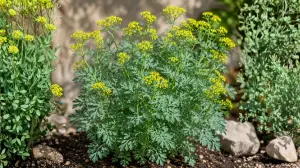
Rue, commonly known as Arutha in many Indian regions, is a highly aromatic herb traditionally valued for its distinctive fragrance, herbal applications, and cultural significance. Known for its strong aroma, bitter flavor profile, and versatile traditional uses, rue has been used for generations in herbal preparations, traditional culinary applications, aromatic mixtures, and cultural practices.
The herb is recognized for its unique leaves, strong herbal scent, and traditional importance across various regions. Although not as commonly used as mainstream culinary herbs, rue continues to maintain demand in traditional herbal industries, regional food preparations, aromatic applications, and specialty herb markets.
Today, premium-quality rue leaves and processed products are increasingly preferred in traditional herb markets, wellness-focused sectors, and specialty agricultural industries worldwide.
Table of Contents
- What Is Rue (Arutha)?
- Why Rue Is Traditionally Valued
- Origin and History of Rue
- How Rue Is Cultivated
- What Makes Rue Unique?
- Types of Rue Products
- Rue (Arutha) Benefits
- Nutritional Value of Rue
- Uses of Rue in Different Industries
- Rue vs Other Aromatic Herbs
- Why Indian Rue Is Highly Preferred
- Global Demand for Rue
- How to Store Rue Properly
- Frequently Asked Questions About Rue
- Conclusion
What Is Rue (Arutha)?
Rue, also known as Arutha, is an aromatic herb recognized for its strong fragrance and traditional herbal applications.
The plant is known for its small green leaves and distinctive bitter-herbal aroma. Rue has historically been used in traditional preparations, aromatic mixtures, herbal applications, and certain regional culinary practices.
Rue is available in fresh leaves, dried leaves, powdered form, herbal extracts, and processed herb products depending on usage requirements and regional traditions.
Because of its unique aroma and longstanding traditional importance, rue continues to hold value in specialty herb markets and traditional herbal industries.
Why Rue Is Traditionally Valued
Rue has been traditionally valued because of its distinctive aroma, cultural importance, and historical herbal applications.
Its strong herbal fragrance and characteristic flavor profile have made it important in traditional systems for generations. In many regions, rue has been associated with aromatic practices, traditional household applications, and regional herb usage.
As consumers increasingly seek traditional herbs and naturally derived botanical products, rue continues to attract attention in specialty herb and wellness-focused markets.
Its uniqueness and traditional heritage further contribute to its growing recognition worldwide.
Origin and History of Rue
Rue has a long history connected to traditional agriculture, herbal systems, and cultural practices.
Historically, rue was cultivated in several regions for its aromatic and traditional uses. Ancient communities valued the herb because of its strong fragrance and symbolic importance in local traditions.
Over time, rue became associated with herbal applications, aromatic preparations, and specialty agricultural cultivation across different regions.
Today, rue continues to maintain importance in traditional herb markets and botanical product industries because of its historical significance and distinctive aromatic properties.
How Rue Is Cultivated
Rue cultivation requires suitable climatic conditions and well-managed agricultural practices.
The herb generally grows well in warm climates and well-drained soil conditions. Proper sunlight, moderate watering, and careful cultivation practices help ensure healthy plant growth and aromatic quality.
After harvesting, the leaves are cleaned and processed carefully depending on whether they are intended for fresh use, drying, or powdered herb production.
Proper post-harvest handling helps preserve aroma, freshness, and overall product quality associated with premium-grade rue products.
Commercial herb producers maintain quality standards to ensure consistency in color, aroma, and shelf stability.
What Makes Rue Unique?
Rue is unique because of its intense herbal aroma and traditional cultural significance.
Unlike many common culinary herbs that provide mild freshness, rue delivers a stronger herbal fragrance and a distinct bitter profile that sets it apart from mainstream herbs.
Its versatility allows it to be used in traditional herbal preparations, specialty aromatic applications, regional culinary practices, and processed herb products.
The herb’s historical and traditional importance also contributes significantly to its uniqueness in global herb markets.
Its distinctive aromatic identity makes rue highly valued in specialty botanical and traditional herb industries.
Types of Rue Products
Fresh Rue Leaves
Fresh rue leaves are commonly used in traditional herbal applications and regional preparations.
Dried Rue Leaves
Dried rue leaves are processed for long-term storage and use in specialty herb products and aromatic applications.
Rue Powder
Rue powder is prepared by drying and grinding the leaves into fine powder form for convenient use and processing.
Herbal Rue Extracts
Rue extracts are used in certain herbal and specialty botanical product industries.
Organic Rue
Organic rue is cultivated without synthetic pesticides or chemical fertilizers and is increasingly preferred in natural product markets.
Rue (Arutha) Benefits
Rue is valued for its aromatic properties, traditional significance, and herbal versatility.
Traditionally, the herb has been used in aromatic preparations, herbal applications, and specialty regional practices because of its distinctive fragrance and botanical characteristics.
Rue products continue to attract interest in traditional herb markets and specialty botanical industries because of their unique identity and historical relevance.
Its strong aroma and specialty applications also make it suitable for niche herbal product manufacturing.
Nutritional Value of Rue
Rue contains naturally occurring plant compounds and aromatic botanical components associated with herbal plants.
Key naturally occurring components may include plant-based compounds, aromatic oils, fiber-related compounds, and herbal constituents naturally present in rue leaves.
Its aromatic composition contributes significantly to its traditional and commercial value.
Uses of Rue in Different Industries
Rue is used across various traditional and specialty industries.
It is commonly used in herbal preparations, aromatic applications, specialty botanical products, traditional household uses, and regional herb processing industries. Certain traditional culinary systems also incorporate rue in limited quantities for flavoring purposes.
Herbal product industries may use rue in dried, powdered, or processed forms depending on product requirements.
Because of its uniqueness and aromatic character, rue remains an important herb in specialty botanical markets.
Rue vs Other Aromatic Herbs
Although many herbs are valued for aroma and traditional uses, rue differs because of its stronger herbal fragrance and distinctive bitter profile.
Unlike herbs mainly used for fresh culinary flavoring, rue is more closely associated with traditional herbal and aromatic applications.
Its historical and botanical uniqueness helps distinguish it from more commonly used culinary herbs.
This specialty positioning helps rue maintain recognition in niche herbal markets worldwide.
Why Indian Rue Is Highly Preferred
Indian rue is valued because of its natural aroma, cultivation quality, and traditional agricultural heritage.
India’s favorable climate and long history of herbal cultivation contribute to the production of high-quality rue suitable for specialty herb markets.
Consumers and traditional herb industries prefer Indian rue because of its freshness, aromatic quality, and botanical authenticity.
Its importance in traditional herb systems and growing interest in botanical products further strengthen its market reputation.
Global Demand for Rue
The demand for rue continues to grow gradually because of increasing interest in traditional herbs, aromatic plants, and specialty botanical products worldwide.
Growth in herbal industries, specialty agricultural markets, and natural botanical sectors has contributed to increasing global demand for premium-quality rue products.
Major markets include regions with strong interest in traditional herbs, botanical ingredients, and aromatic plant products.
Consumers increasingly seek unique, naturally derived herbal ingredients, further supporting worldwide demand for rue.
How to Store Rue Properly
Proper storage is important to preserve freshness, aroma, and product quality.
Fresh rue leaves should be refrigerated and protected from excess moisture to maintain freshness. Dried rue products should be stored in airtight containers away from direct sunlight and humidity.
Cool and dry storage conditions help preserve aromatic compounds and shelf stability for longer durations.
Proper sealing and moisture protection also help maintain the overall quality of rue products.
Frequently Asked Questions About Rue (Arutha)
What is rue used for?
Rue is mainly used in traditional herbal applications, aromatic preparations, specialty herb products, and certain regional culinary practices.
What does rue smell like?
Rue has a strong herbal, slightly bitter, and highly aromatic fragrance profile.
Is rue used fresh or dried?
Rue can be used in both fresh and dried forms depending on traditional and commercial requirements.
Why is rue considered unique?
Rue is valued for its distinctive aroma, traditional importance, and specialty herbal applications.
Why is Indian rue preferred?
Its natural aromatic quality, freshness, and traditional cultivation heritage make it highly valued in specialty herb markets.
Conclusion
Rue (Arutha) continues to remain an important aromatic herb in traditional and specialty botanical industries because of its strong fragrance, historical significance, and unique herbal identity.
From traditional herbal applications to specialty aromatic products, this distinctive herb has maintained its relevance across regional and international herb markets.
Its authentic aroma, botanical uniqueness, and growing interest in natural herbal products continue to support worldwide demand for premium-quality rue products.
As global interest in traditional herbs and specialty botanical ingredients continues to rise, rue remains a valued herb in herbal industries, botanical markets, and traditional agricultural systems because of its distinctive aromatic character, cultural importance, and specialty herbal value.