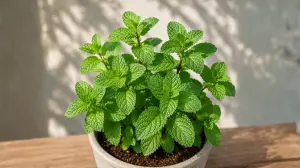
Peppermint is one of the most refreshing and widely used aromatic herbs in the world. Known for its cooling sensation, strong minty aroma, and versatile applications, peppermint is extensively used in beverages, teas, confectionery products, desserts, oral care products, herbal preparations, cosmetics, and processed foods.
Recognized for its refreshing flavor and pleasant fragrance, peppermint has become an essential ingredient across culinary industries, wellness sectors, hospitality industries, beverage markets, and personal care product manufacturing. Its naturally cooling profile and aromatic freshness make it highly preferred in both traditional and modern applications.
Today, peppermint continues to hold strong global demand because of its versatility, refreshing properties, and growing popularity in natural and herbal product industries worldwide.
Table of Contents
- What Is Peppermint?
- Why Peppermint Is Popular Worldwide
- Origin and History of Peppermint
- How Peppermint Is Cultivated
- What Makes Peppermint Unique?
- Types of Peppermint Products
- Peppermint Benefits
- Nutritional Value of Peppermint
- Uses of Peppermint in Different Industries
- Peppermint vs Mint Leaves
- Why Premium Peppermint Is Highly Preferred
- Global Demand for Peppermint
- How to Store Peppermint Properly
- Frequently Asked Questions About Peppermint
- Conclusion
What Is Peppermint?
Peppermint is a highly aromatic herb known for its cooling flavor, refreshing fragrance, and broad range of applications.
It belongs to the mint family and is widely recognized for its intense minty aroma and naturally refreshing properties. Peppermint leaves are commonly used in teas, beverages, desserts, confectionery items, sauces, herbal preparations, and flavoring products.
Peppermint is available in fresh leaves, dried leaves, powders, extracts, oils, flavoring compounds, and processed forms depending on industrial and culinary requirements.
Because of its refreshing profile and broad versatility, peppermint remains one of the most important herbs in global food, wellness, and aromatic industries.
Why Peppermint Is Popular Worldwide
Peppermint has gained worldwide popularity because of its refreshing taste, cooling effect, and broad industrial applications.
Its strong minty flavor naturally enhances beverages, desserts, confectionery items, teas, and processed foods. This versatility has made peppermint highly preferred in households, restaurants, beverage industries, hospitality sectors, wellness markets, and personal care product manufacturing.
As consumers increasingly seek refreshing and naturally aromatic ingredients, peppermint has become a major component in global food industries and herbal product sectors.
Its compatibility with beverages, confectionery items, oral care products, and wellness-based applications further contributes to its strong global demand.
Origin and History of Peppermint
Peppermint has a long history connected to traditional herbal systems, culinary practices, and aromatic product applications.
Historically, peppermint was cultivated and valued because of its cooling properties, strong fragrance, and refreshing flavor. Different cultures used peppermint in beverages, culinary preparations, aromatic mixtures, and traditional herb-based products.
Over time, peppermint became an important ingredient in food industries, herbal markets, confectionery sectors, and personal care product manufacturing worldwide.
Today, peppermint continues to play a major role in global beverage industries, processed food markets, hospitality sectors, and wellness product industries because of its refreshing characteristics and aromatic appeal.
How Peppermint Is Cultivated
Peppermint cultivation requires suitable climatic conditions and careful agricultural management.
The herb generally grows well in fertile, moisture-rich soil under moderate climatic conditions. Proper irrigation, sunlight, and harvesting practices help maintain freshness and aromatic quality.
After harvesting, peppermint leaves are cleaned and processed carefully depending on whether they are intended for fresh use, drying, oil extraction, or powdered product manufacturing.
Proper post-harvest handling helps preserve aroma, freshness, cooling properties, and product quality associated with premium-grade peppermint.
Commercial herb producers maintain quality standards to ensure consistency in fragrance, color, freshness, and shelf stability.
What Makes Peppermint Unique?
Peppermint is unique because of its strong cooling sensation and highly refreshing aroma.
Unlike many herbs that provide mild freshness, peppermint delivers intense minty flavor and aromatic cooling characteristics that create a refreshing sensory experience.
Its versatility allows it to be used in teas, beverages, desserts, confectionery items, sauces, oral care products, herbal products, and processed foods.
Peppermint is also widely used in aromatic and wellness-based industries because of its pleasant fragrance and cooling profile.
Its refreshing identity makes peppermint highly valued across global culinary and commercial industries.
Types of Peppermint Products
Fresh Peppermint Leaves
Fresh peppermint leaves are widely used in teas, beverages, salads, desserts, and garnishing applications.
Dried Peppermint Leaves
Dried peppermint leaves are commonly used in herbal teas, seasoning products, and long-term storage applications.
Peppermint Powder
Peppermint powder is prepared by drying and grinding peppermint leaves into powder form for culinary and industrial use.
Peppermint Oil
Peppermint oil is extracted from peppermint leaves and widely used in flavoring, aromatic, wellness, and personal care industries.
Organic Peppermint
Organic peppermint is cultivated without synthetic pesticides or chemical fertilizers and is increasingly preferred in natural product markets.
Peppermint Benefits
Peppermint is valued for its refreshing aroma, cooling flavor, and broad industrial applications.
Traditionally, peppermint has been widely used in teas, beverages, aromatic preparations, confectionery products, and herbal applications because of its distinctive minty profile.
Peppermint is commonly used in flavored drinks, desserts, candies, oral care products, and seasoning preparations because it provides freshness and flavor enhancement naturally.
Its refreshing fragrance and versatility also make it highly suitable for processed food industries and wellness-focused product manufacturing.
Nutritional Value of Peppermint
Peppermint contains naturally occurring plant compounds and aromatic components associated with mint-family herbs.
Key naturally occurring components may include plant compounds, dietary fiber, essential oils, aromatic compounds, calcium, potassium, and herbal constituents naturally present in peppermint leaves.
Its refreshing aromatic composition contributes significantly to its culinary and commercial value.
Uses of Peppermint in Different Industries
Peppermint is widely used across many industries and commercial applications.
It is commonly used in teas, flavored beverages, desserts, confectionery items, chewing products, sauces, herbal products, oral care products, cosmetics, processed foods, and wellness-focused applications. Restaurants and hospitality industries also use peppermint extensively in beverages and garnishing preparations.
Food industries frequently include peppermint in candies, chewing gums, flavored syrups, tea blends, packaged beverages, desserts, and confectionery products.
Because of its versatility and refreshing flavor, peppermint remains an essential ingredient in both traditional and modern industrial applications.
Peppermint vs Mint Leaves
Although peppermint belongs to the mint family, it differs from common mint leaves because of its stronger cooling sensation and more intense aroma.
Peppermint generally provides a sharper minty flavor and stronger refreshing effect compared to regular mint varieties used in culinary applications.
Its concentrated aromatic profile makes it particularly suitable for teas, candies, oral care products, and flavored beverages.
This distinction helps peppermint maintain strong popularity across global flavoring and aromatic industries.
Why Premium Peppermint Is Highly Preferred
Premium peppermint is highly valued because of its strong aroma, freshness, rich oil content, and superior flavor quality.
Careful cultivation, harvesting, and processing methods help preserve the refreshing characteristics associated with high-quality peppermint products.
Consumers worldwide prefer premium peppermint because of its natural fragrance, cooling profile, and broad versatility across culinary and commercial applications.
Its importance in beverage industries, wellness markets, confectionery sectors, and flavoring industries further strengthens its global reputation.
Global Demand for Peppermint
The demand for peppermint continues to increase because of the expanding popularity of flavored beverages, herbal teas, confectionery products, wellness-focused applications, and personal care products worldwide.
Growth in hospitality industries, processed food markets, herbal sectors, beverage industries, and aromatic product manufacturing has significantly increased global demand for premium-quality peppermint products.
Major export markets include Europe, the United States, the Middle East, Southeast Asia, and regions with strong demand for refreshing herbal ingredients.
Consumers increasingly seek aromatic, naturally refreshing, and herbal-based products, further driving worldwide demand for peppermint.
How to Store Peppermint Properly
Proper storage is important to preserve freshness, aroma, and product quality.
Fresh peppermint leaves should be refrigerated and protected from excess moisture to maintain freshness. Dried peppermint products should be stored in airtight containers away from direct sunlight and humidity.
Cool and dry storage conditions help preserve aromatic compounds and shelf stability for longer durations.
Proper sealing and moisture protection also help maintain the overall quality of peppermint products.
Frequently Asked Questions About Peppermint
What is peppermint used for?
Peppermint is mainly used in teas, beverages, confectionery products, desserts, oral care products, herbal products, and flavoring applications.
What does peppermint taste like?
Peppermint has a strong minty, cooling, refreshing, and aromatic flavor profile.
Is peppermint different from regular mint?
Yes, peppermint generally has a stronger cooling sensation and more intense aroma compared to common mint varieties.
Can peppermint be used in beverages?
Yes, peppermint is widely used in teas, flavored drinks, syrups, juices, and refreshing beverages worldwide.
Why is premium peppermint popular?
Its rich aroma, refreshing flavor, cooling properties, and versatile applications make it highly preferred worldwide.
Conclusion
Peppermint continues to remain one of the most refreshing and versatile aromatic herbs in global industries because of its cooling flavor, rich fragrance, and broad range of applications.
From beverages and teas to confectionery items and wellness products, this refreshing herb has maintained its importance across households and commercial industries.
Its natural freshness, aromatic profile, and growing international popularity continue to drive worldwide demand for premium-quality peppermint products.
As global interest in refreshing herbal ingredients and naturally aromatic products continues to rise, peppermint remains a preferred ingredient in beverage industries, hospitality sectors, wellness markets, flavoring industries, and international food markets because of its exceptional cooling properties, versatility, and aromatic value.