Garam Masala Powder is one of the most iconic and widely used spice blends in Indian cuisine. Known for its rich aroma, warm flavor, and versatile culinary applications, garam masala powder is an essential ingredient in curries, gravies, rice dishes, snacks, marinades, and countless traditional recipes.
Prepared using a carefully balanced combination of aromatic spices, garam masala powder enhances the depth, fragrance, and complexity of food while providing the signature taste associated with authentic Indian cooking. Its warm and earthy flavor profile makes it one of the most important spice blends used across households and professional kitchens worldwide.
Today, garam masala powder is extensively used in homes, restaurants, hospitality industries, ready-to-cook food sectors, processed food industries, and global spice markets. As Indian cuisine continues to gain worldwide popularity, the demand for premium-quality garam masala powder continues to increase across domestic and international markets.
Table of Contents
- What Is Garam Masala Powder?
- Why Garam Masala Powder Is Popular Worldwide
- Origin and History of Garam Masala
- How Garam Masala Powder Is Made
- What Makes Garam Masala Unique?
- Common Ingredients Used in Garam Masala Powder
- Garam Masala Powder Benefits
- Nutritional Value of Garam Masala Powder
- Uses of Garam Masala Powder
- Garam Masala Powder vs Curry Powder
- Why Indian Garam Masala Is Highly Preferred
- Global Demand for Garam Masala Powder
- How to Store Garam Masala Powder Properly
- Frequently Asked Questions About Garam Masala Powder
- Conclusion
What Is Garam Masala Powder?
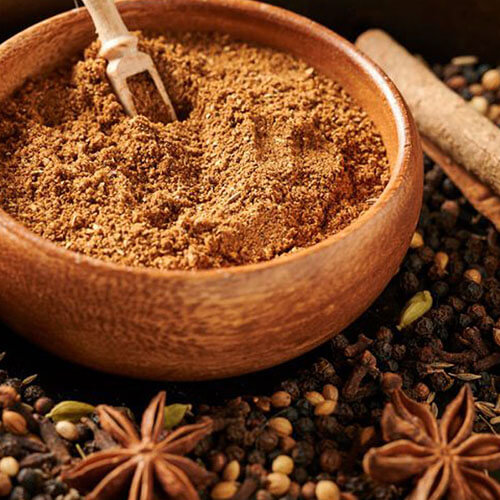
Garam Masala Powder is a traditional Indian spice blend prepared by roasting and grinding aromatic spices into a fine powder.
The term “garam” refers to warmth, while “masala” means spice mixture. Garam masala is widely used to enhance the aroma and flavor of dishes rather than adding intense heat.
It is commonly added to curries, gravies, rice dishes, soups, marinades, snacks, and restaurant-style recipes to create rich and balanced flavor complexity.
Garam masala powder is available in homemade recipes, regional variations, organic spice blends, and commercial ready-to-use forms.
Because of its versatility and authentic flavor, garam masala powder remains one of the most essential spice blends in Indian cuisine.
Why Garam Masala Powder Is Popular Worldwide
Garam masala powder has gained worldwide popularity because of the rapid global expansion of Indian cuisine and spice-based cooking.
Its rich aroma and balanced flavor profile allow consumers to prepare authentic Indian dishes using a single convenient spice blend. This convenience has made garam masala highly preferred in households, restaurants, processed food industries, and ready-to-cook meal sectors.
As consumers increasingly explore international cuisines and flavorful cooking styles, garam masala powder has become a major ingredient in kitchens worldwide.
Its compatibility with vegetarian dishes, meat preparations, snacks, soups, and fusion recipes further contributes to its strong global demand.
Origin and History of Garam Masala
Garam masala has deep roots in Indian culinary traditions and has been used for centuries in regional cooking practices.
Historically, spice blends were carefully developed to create balanced flavor profiles using aromatic ingredients available in different parts of India. Each region gradually developed unique garam masala recipes based on local spice availability and culinary preferences.
Traditional households often prepared fresh garam masala by roasting whole spices and grinding them manually to preserve maximum aroma and flavor.
Over time, commercial spice manufacturers standardized garam masala production while still preserving authentic regional flavor characteristics.
Today, garam masala powder is recognized globally as one of the signature spice blends of Indian cuisine.
How Garam Masala Powder Is Made
Garam masala powder is prepared through a controlled roasting and grinding process designed to maximize aroma and flavor complexity.
The process generally begins with selecting premium-quality whole spices and aromatic ingredients. These spices are cleaned thoroughly and roasted carefully to release their natural oils and improve flavor intensity.
After roasting, the spices are cooled and ground into a fine powder. Proper roasting is extremely important because it helps develop the warm aroma and rich flavor profile associated with premium-quality garam masala powder.
Commercial spice manufacturers maintain quality standards to ensure consistency in aroma, freshness, texture, flavor, and shelf stability.
What Makes Garam Masala Unique?
Garam masala powder is unique because of its balanced warmth, deep aroma, and ability to enhance food naturally without overpowering other ingredients.
Unlike many spice blends focused mainly on heat or pungency, garam masala is designed to create flavor depth and aromatic complexity.
Its carefully balanced spice composition allows it to complement curries, rice dishes, gravies, snacks, soups, and marinades across a wide variety of cuisines.
The roasting process further enhances its rich fragrance and layered flavor characteristics, making it highly valued in both traditional and modern cooking.
Common Ingredients Used in Garam Masala Powder
Garam masala powder is traditionally prepared using a combination of aromatic spices selected for warmth and flavor balance.
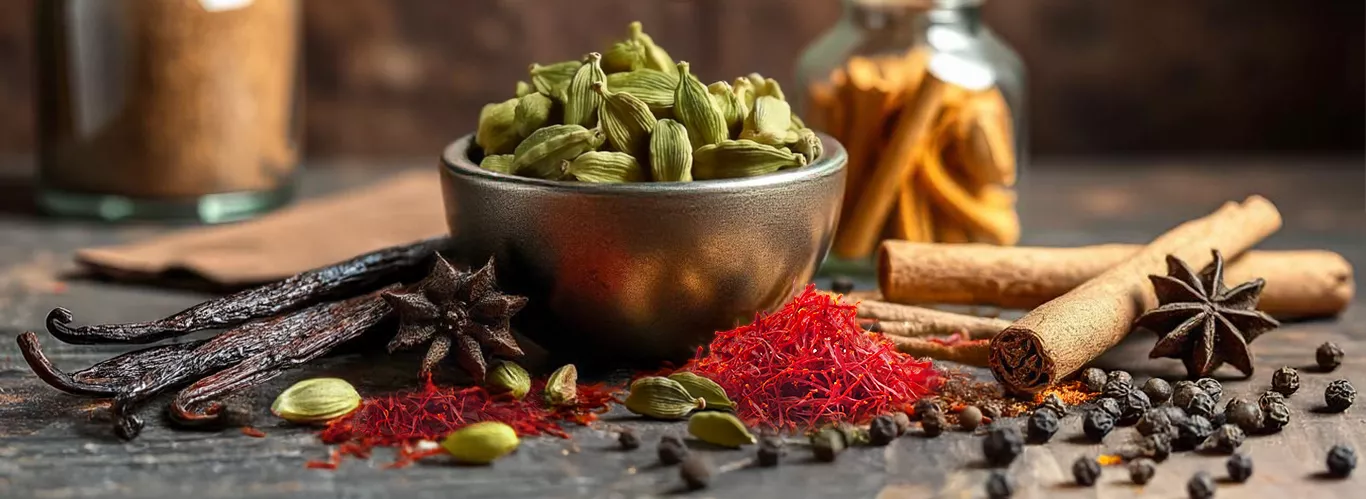
Common ingredients often include coriander seeds, cumin seeds, black pepper, cardamom, cinnamon, cloves, nutmeg, mace, bay leaf, fennel seeds, and dried herbs depending on regional recipes and manufacturer variations.
Some regional versions may also include star anise, stone flower, dried ginger, or additional aromatic spices to create unique flavor profiles.
The exact ingredient ratio varies between households and manufacturers, resulting in different regional and commercial variations.
Garam Masala Powder Benefits
Garam masala powder is valued for its ability to naturally enhance the aroma and flavor of food preparations.
Its carefully balanced spice blend helps create rich and satisfying culinary experiences while simplifying the cooking process. The use of roasted aromatic spices contributes warmth, depth, and complexity to recipes.
Traditional culinary systems have long used blended spice powders because of their versatility and ability to provide consistent flavor.
Garam masala powder also remains highly adaptable and suitable for both vegetarian and non-vegetarian culinary applications.
Nutritional Value of Garam Masala Powder
Garam masala powder contains naturally occurring nutrients and aromatic compounds derived from its spice ingredients.
Depending on the ingredients used, the blend may contain naturally occurring dietary fiber, essential oils, plant compounds, calcium, iron, potassium, and antioxidant-containing spices.
Because it combines multiple aromatic spices and herbs, garam masala contributes both culinary and aromatic value to food preparations.
Uses of Garam Masala Powder
Garam masala powder is widely used across many culinary applications.
It is commonly used in curries, gravies, rice dishes, soups, marinades, roasted foods, snacks, and restaurant-style preparations. Food service industries also use garam masala in ready-to-cook products, seasoning blends, instant meal mixes, and processed foods.
Its balanced flavor profile makes it suitable for both traditional Indian recipes and modern fusion dishes. Some culinary applications also include wraps, sauces, rice bowls, grilled foods, and international recipes inspired by Indian cuisine.
Because of its versatility and convenience, garam masala powder remains an essential ingredient in both household kitchens and commercial food industries.
Garam Masala Powder vs Curry Powder
Although both are blended spice seasonings, garam masala powder and curry powder differ significantly in flavor profile and culinary purpose.
Garam masala generally provides warm aroma, rich fragrance, and flavor complexity designed to enhance dishes naturally. It is often added during the final stages of cooking.
Curry powder, on the other hand, usually contains turmeric and focuses more on creating a base flavor for curries.
Garam masala offers a deeper aromatic experience compared to standard curry powder.
Why Indian Garam Masala Is Highly Preferred
Indian garam masala is highly valued because of its authentic spice combinations, traditional preparation methods, and rich aromatic profile.
Consumers prefer Indian garam masala because it reflects regional culinary expertise and carefully developed spice blending techniques. The use of roasted whole spices creates a rich and authentic flavor experience that enhances dishes naturally.
As interest in Indian cuisine continues to expand internationally, authentic Indian garam masala remains increasingly popular among consumers and food industries worldwide.
Its versatility and convenience further contribute to its growing global demand.
Global Demand for Garam Masala Powder
The demand for garam masala powder continues to increase because of the expanding popularity of Indian cuisine worldwide.
Growth in Indian restaurants, ready-to-cook meal industries, processed food sectors, and global spice markets has significantly increased international demand for authentic Indian spice blends.
Major export markets include the Middle East, Europe, the United States, Southeast Asia, and regions with large Indian communities.
Consumers increasingly seek flavorful, convenient, and authentic cooking ingredients, further driving worldwide demand for premium-quality garam masala powder.
How to Store Garam Masala Powder Properly
Proper storage is important to preserve freshness, aroma, and flavor quality.
Garam masala powder should be stored in airtight containers away from direct sunlight and moisture. Cool and dry storage conditions help maintain the aromatic oils and flavor intensity of the spice blend for longer periods.
Using dry spoons and properly sealed containers also helps improve shelf life and preserve product quality.
Frequently Asked Questions About Garam Masala Powder
What is garam masala powder used for?
Garam masala powder is mainly used for curries, gravies, rice dishes, soups, marinades, snacks, and restaurant-style recipes.
Is garam masala spicy?
Garam masala usually provides warmth and aroma rather than extreme heat, though spice intensity varies depending on the recipe.
What ingredients are commonly used in garam masala?
Common ingredients include coriander, cumin, cardamom, cinnamon, cloves, black pepper, nutmeg, and aromatic spices.
Is garam masala the same as curry powder?
No, garam masala focuses more on aroma and flavor complexity, while curry powder is generally used as a curry base seasoning.
Why is Indian garam masala popular?
Its rich aroma, balanced flavor, and authentic spice combinations make it highly preferred worldwide.
Conclusion
Garam Masala Powder continues to remain one of the most essential and versatile spice blends in Indian cuisine because of its balanced flavor, rich aroma, and broad culinary applications.
From curries and rice dishes to modern fusion recipes and restaurant-style cooking, this aromatic spice blend has maintained its importance across households and commercial food industries.
Its authentic Indian flavor profile, carefully balanced ingredients, and growing international popularity continue to drive worldwide demand for premium-quality garam masala powder.
As global interest in Indian cuisine and flavorful spice blends continues to rise, garam masala powder remains a preferred seasoning in kitchens, hospitality industries, spice processing sectors, and international food markets because of its exceptional aroma, culinary versatility, and authentic culinary value.