Fenugreek Seeds: Benefits, Uses, Cultivation & Why Methi Seeds Are Valued Worldwide
Fenugreek Seeds, commonly known as Methi Seeds, are among the world’s most widely used culinary and traditional spice seeds, valued for their distinctive aroma, slightly bitter flavor, and versatile applications in cooking, spice blends, food processing, and traditional culinary systems. Used extensively in Indian cuisine, spice industries, pickling preparations, and global food sectors, fenugreek seeds continue to remain an essential ingredient in domestic and international spice markets.
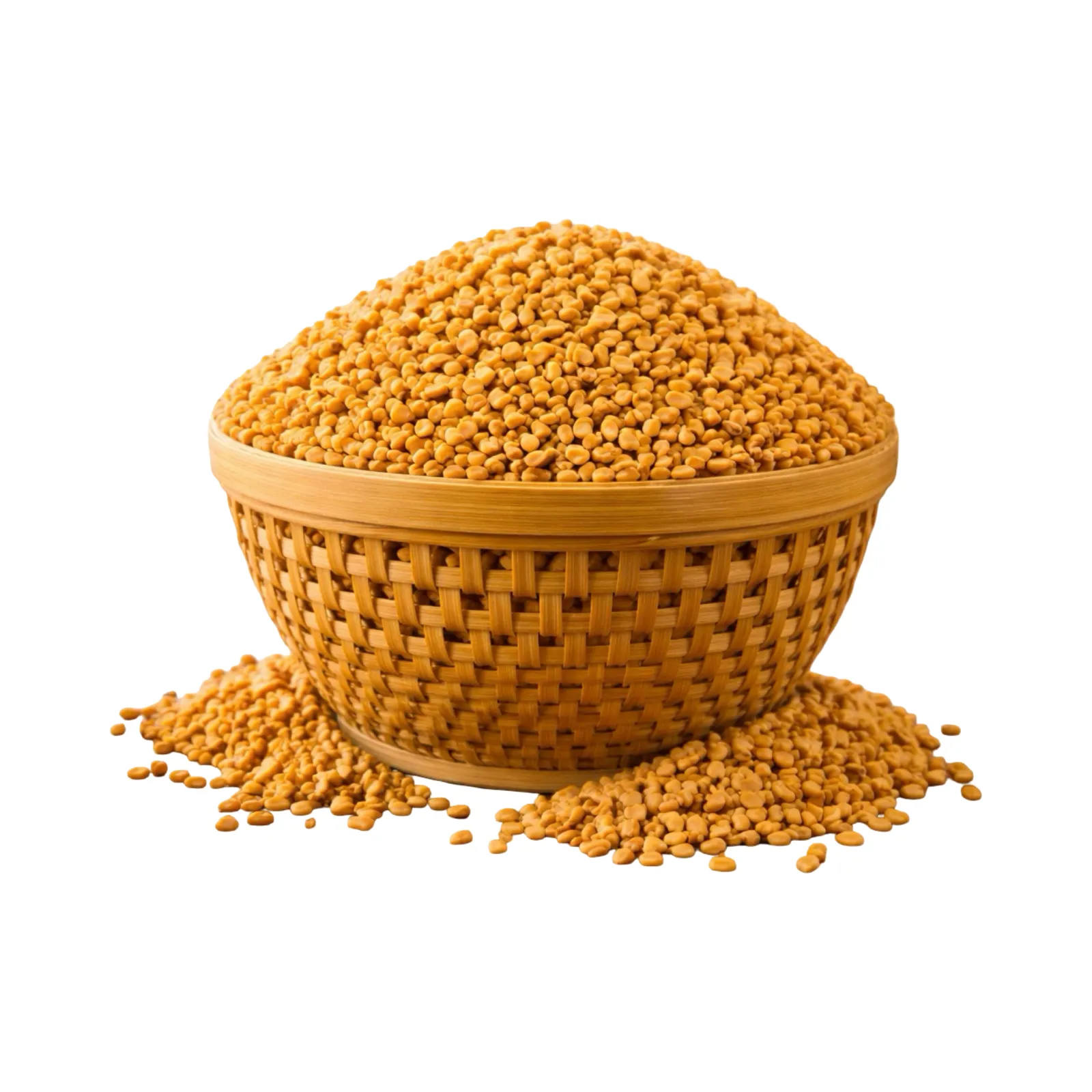
Derived from the Trigonella foenum-graecum plant, fenugreek seeds are recognized for their golden-yellow appearance, strong aroma, and unique flavor profile that becomes rich and nutty when roasted or cooked.
In India’s spice trade, fenugreek holds major importance because of its extensive use in curries, spice mixtures, pickles, processed foods, and seasoning industries.
Today, fenugreek seeds continue to attract strong global demand because of their culinary versatility, traditional importance, and broad food industry applications.
Table of Contents
- What Are Fenugreek Seeds?
- Why Fenugreek Seeds Are Popular Worldwide
- Origin and History of Fenugreek
- How Fenugreek Seeds Are Cultivated
- What Makes Fenugreek Seeds Unique?
- Types of Fenugreek Products
- Fenugreek Seeds Benefits
- Nutritional Value of Fenugreek Seeds
- Uses of Fenugreek Seeds in Different Industries
- Fenugreek Seeds vs Fenugreek Leaves
- Fenugreek Seeds in Indian Cuisine
- Global Demand for Fenugreek Seeds
- How to Store Fenugreek Seeds Properly
- Frequently Asked Questions About Fenugreek Seeds
- Conclusion
What Are Fenugreek Seeds?
Fenugreek seeds are small golden-colored seeds obtained from the Trigonella foenum-graecum plant.
They are widely recognized for their:
- Slightly bitter flavor
- Rich aroma
- Culinary versatility
- Traditional spice applications
- Flavor-enhancing properties
Fenugreek seeds are commonly used in:
- Curry preparations
- Pickles
- Spice blends
- Processed foods
- Seasoning mixtures
- Traditional recipes
Fenugreek is available in multiple forms, including:
- Whole fenugreek seeds
- Fenugreek powder
- Roasted fenugreek
- Organic fenugreek seeds
- Commercial spice-grade fenugreek
Because of their unique flavor profile and culinary importance, fenugreek seeds remain highly valued in global spice markets.
Why Fenugreek Seeds Are Popular Worldwide
Fenugreek seeds remain globally popular because of their strong aroma and broad culinary compatibility.
Major reasons for worldwide demand include:
- Rich aromatic properties
- Extensive use in spice blends
- Traditional culinary importance
- Food processing applications
- Pickling industry demand
- Long shelf life
- Versatile seasoning applications
Fenugreek is widely used in Indian, Middle Eastern, Mediterranean, and international cuisines.
Origin and History of Fenugreek
Fenugreek has a long history connected to traditional agriculture and spice trade.
Historically:
- Fenugreek was widely used in ancient culinary traditions
- Traditional cuisines valued fenugreek for seasoning applications
- Spice industries increased the commercial importance of fenugreek
- Global food markets expanded demand for fenugreek products
Today, fenugreek continues to remain one of the world’s most recognized spice seeds.
How Fenugreek Seeds Are Cultivated
Fenugreek cultivation requires favorable climatic conditions and proper harvesting methods.
Climate Required for Fenugreek Cultivation
Fenugreek grows best in:
- Moderate climates
- Cool growing seasons
- Fertile soil conditions
- Well-drained agricultural land
These conditions help produce seeds with strong aroma and superior quality.
Harvesting Process
Fenugreek plants are harvested after seed maturity.
After harvesting:
- Plants are dried
- Seeds are separated
- Cleaned and processed
- Graded according to quality
Proper drying helps preserve aroma, flavor, and storage quality.
What Makes Fenugreek Seeds Unique?
Fenugreek seeds are globally valued because of their distinctive flavor and versatile culinary applications.
Key characteristics that make fenugreek unique include:
- Slightly bitter taste
- Rich earthy aroma
- Nutty flavor after roasting
- Strong seasoning properties
- Wide culinary compatibility
- Essential spice blend applications
Fenugreek is often used in small quantities because of its concentrated flavor profile.
Types of Fenugreek Products
Whole Fenugreek Seeds
Whole fenugreek seeds are widely used in:
- Pickles
- Curry preparations
- Spice processing
- Tempering and seasoning
Whole seeds retain aroma for longer durations.
Fenugreek Powder
Fenugreek powder is produced by grinding dried fenugreek seeds.
It is commonly used in:
- Spice blends
- Curry powders
- Processed foods
- Marinades
Roasted Fenugreek
Roasted fenugreek develops a richer and nuttier flavor profile.
It is widely used in:
- Seasoning mixtures
- Traditional recipes
- Spice blends
- Processed culinary products
Organic Fenugreek Seeds
Organic fenugreek is cultivated without synthetic chemicals or pesticides.
It is increasingly preferred in:
- Organic food industries
- Premium spice markets
- Export sectors
- Natural ingredient industries
Fenugreek Seeds Benefits
Fenugreek seeds contain naturally occurring compounds that contribute to their culinary popularity.
1. Rich Natural Aroma
Fenugreek seeds are valued worldwide for their distinctive earthy fragrance.
2. Naturally Enhances Flavor
Fenugreek adds depth and complexity to food preparations.
3. Widely Used in Traditional Culinary Practices
Fenugreek has long been included in spice mixtures, curries, and pickles.
4. Develops Nutty Flavor When Roasted
Roasting enhances the aroma and flavor profile of fenugreek seeds.
5. Versatile Culinary Ingredient
Fenugreek works well in curries, pickles, sauces, and spice blends.
Nutritional Value of Fenugreek Seeds
Fenugreek seeds contain naturally occurring nutrients and aromatic compounds.
Key Components Found in Fenugreek Seeds
- Dietary fiber
- Iron
- Calcium
- Potassium
- Natural plant compounds
- Essential oils
These compounds contribute to the culinary and commercial value of fenugreek seeds.
Uses of Fenugreek Seeds in Different Industries
Food Industry
Fenugreek seeds are widely used in:
- Spice blends
- Processed foods
- Curry preparations
- Pickles
- Ready-to-eat products
- Seasoning mixtures
Hospitality Industry
Hotels and restaurants use fenugreek in cuisines worldwide because of its flavor-enhancing properties.
Spice Processing Industry
Fenugreek remains an essential ingredient in commercial spice manufacturing and seasoning industries.
Pickling Industry
Fenugreek plays a major role in pickling preparations because of its strong flavor profile.
Fenugreek Seeds vs Fenugreek Leaves
Fenugreek seeds and fenugreek leaves differ in flavor and culinary applications.
| Feature | Fenugreek Seeds | Fenugreek Leaves |
| Flavor | Bitter and earthy | Mild and leafy |
| Usage | Spice blends and pickles | Curries and breads |
| Aroma | Strong and nutty | Fresh herbal aroma |
| Form | Hard seeds | Fresh or dried leaves |
Both are widely used in Indian cuisine but serve different culinary purposes.
Fenugreek Seeds in Indian Cuisine
Fenugreek plays a major role in Indian cooking.
It is commonly used in:
- Pickles
- Curry powders
- Sambar powder
- Spice blends
- Dal preparations
- Tempering and seasoning
Its distinctive aroma helps create authentic flavor in traditional Indian dishes.
Global Demand for Fenugreek Seeds
The demand for fenugreek seeds continues to grow because of:
- Expanding food industries
- Increasing spice consumption
- Growth in processed food sectors
- Rising demand for authentic seasonings
- Traditional cuisine popularity
Major import regions include:
- Middle East
- Europe
- United States
- Southeast Asia
Fenugreek seeds continue to attract global buyers looking for aromatic and authentic spice ingredients.
How to Store Fenugreek Seeds Properly
Proper storage helps preserve aroma and flavor quality.
Best Storage Practices
- Store in airtight containers
- Keep away from direct sunlight
- Avoid moisture exposure
- Store in cool and dry conditions
Whole fenugreek seeds generally retain freshness longer than powder forms.
Frequently Asked Questions About Fenugreek Seeds
What are fenugreek seeds used for?
Fenugreek seeds are widely used in curries, spice blends, pickles, seasoning preparations, and processed foods.
Why do fenugreek seeds taste bitter?
Natural compounds present in fenugreek create their slightly bitter flavor profile.
Can fenugreek seeds be roasted?
Yes, roasting fenugreek seeds enhances their flavor and aroma.
What is the difference between fenugreek seeds and leaves?
Fenugreek seeds are used mainly as spices, while fenugreek leaves are used as leafy culinary ingredients.
Why are fenugreek seeds important in pickles?
Fenugreek adds aroma, depth, and distinctive flavor to pickling preparations.
Conclusion
Fenugreek Seeds continue to remain one of the world’s most essential and versatile spice ingredients because of their rich aroma, unique flavor, and broad culinary applications.
From curries and pickles to spice blends and processed foods, fenugreek has maintained its importance across traditional cuisines and commercial food industries.
Its earthy flavor profile, seasoning versatility, and compatibility with diverse culinary traditions continue to drive worldwide demand for this premium spice ingredient.
As global interest in authentic and naturally processed spices continues to rise, fenugreek seeds remain a preferred ingredient in kitchens, hospitality industries, spice processing sectors, pickling industries, and international spice markets because of their exceptional aroma, culinary versatility, and seasoning value.