Dry Turmeric is one of the world’s most important and widely used spices, valued for its vibrant color, earthy flavor, and traditional significance. Used for centuries in cooking, wellness practices, spice blends, and food processing, dry turmeric continues to remain an essential ingredient in households and industries across the globe.
Prepared by drying mature turmeric rhizomes, dry turmeric develops a concentrated color, aroma, and longer shelf life suitable for storage, grinding, and commercial spice processing. It is widely used in Indian cuisine, turmeric powder production, traditional preparations, and natural food applications.
Among India’s spice-producing regions, Kerala has earned a strong reputation for cultivating premium-quality turmeric with rich color, high curcumin content, and superior processing quality. Kerala’s fertile soil and tropical climate create ideal conditions for producing export-grade dry turmeric preferred in domestic and international spice markets.
Today, Kerala dry turmeric continues to represent authentic Indian spice heritage, traditional cultivation expertise, and premium natural quality.
Table of Contents
- What Is Dry Turmeric?
- How Dry Turmeric Is Different from Fresh Turmeric
- Why Dry Turmeric Is Valuable in the Spice Industry
- Origin and History of Turmeric
- Is Kerala Famous for Dry Turmeric?
- How Dry Turmeric Is Produced
- Types of Dry Turmeric Products
- What Makes Kerala Dry Turmeric Unique?
- Dry Turmeric Benefits
- Nutritional Value of Dry Turmeric
- Uses of Dry Turmeric in Different Industries
- Turmeric Powder and Its Importance
- Global Demand for Kerala Dry Turmeric
- How to Store Dry Turmeric Properly
- Frequently Asked Questions About Dry Turmeric
- Conclusion
What Is Dry Turmeric?
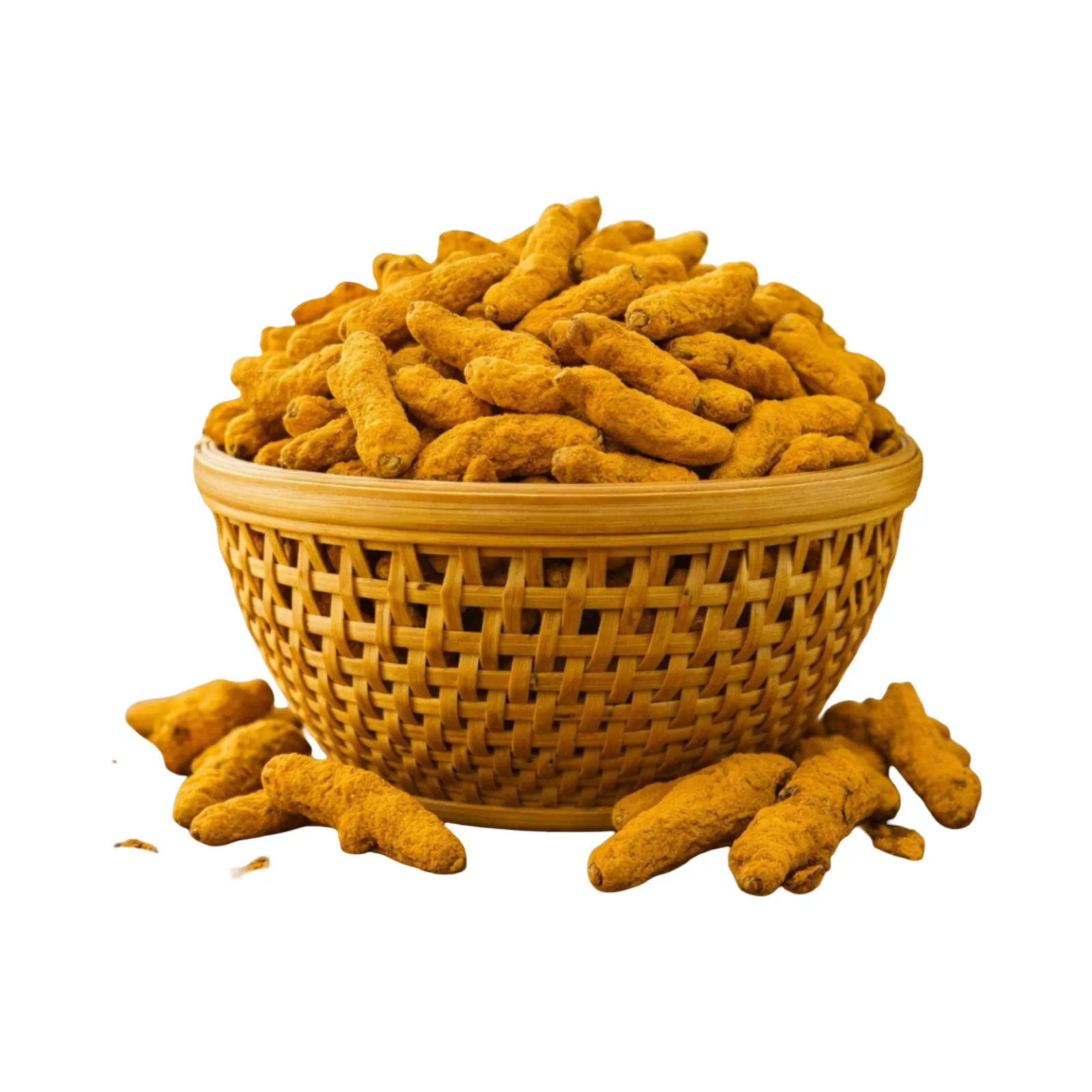
Dry Turmeric is produced by drying mature turmeric rhizomes after harvesting. Scientifically known as Curcuma longa, turmeric is one of the most recognized spices in the world because of its bright yellow color and versatile applications.
After drying, turmeric develops:
- Longer shelf life
- Better storage stability
- Concentrated color
- Rich earthy aroma
- Suitable texture for grinding
Dry turmeric is commonly used in:
- Turmeric powder production
- Spice blends
- Traditional food preparations
- Herbal formulations
- Processed foods
- Natural coloring applications
Dry turmeric is available in multiple forms, including:
- Whole dry turmeric fingers
- Dry turmeric powder
- Organic dry turmeric
- Polished turmeric
- Commercial spice-grade turmeric
Because of its extensive culinary and industrial applications, dry turmeric remains one of the most commercially important spices globally.
How Dry Turmeric Is Different from Fresh Turmeric
Both fresh turmeric and dry turmeric come from the same plant, but they differ in moisture content, usage, and storage properties.
| Feature | Fresh Turmeric | Dry Turmeric |
| Moisture Content | High | Very low |
| Shelf Life | Shorter | Longer |
| Texture | Soft | Hard |
| Usage | Fresh cooking and juices | Powder and spice processing |
| Storage Stability | Limited | Excellent |
Dry turmeric is widely preferred in spice industries because of its durability and suitability for grinding into turmeric powder.
Why Dry Turmeric Is Valuable in the Spice Industry?
Dry turmeric has remained highly valuable for centuries because of its color, versatility, and commercial applications.
Major reasons for the global demand for dry turmeric include:
- Bright natural color
- Traditional culinary importance
- Turmeric powder production
- Use in spice blends
- Long shelf life
- Growing natural ingredient demand
- Premium export value
Turmeric continues to remain one of the most widely traded spices in global markets.
Origin and History of Turmeric
Turmeric has a long history deeply connected to Indian culture, traditional cooking, and spice trade.
India has been one of the world’s leading turmeric-producing countries for centuries, with Kerala playing an important role in premium turmeric cultivation.
Historically:
- Turmeric was widely used in traditional Indian cuisine
- Ancient spice traders exported turmeric globally
- Turmeric became an important part of cultural and culinary practices
- Indian turmeric gained global recognition for quality and color
Today, turmeric remains one of the world’s most recognized natural spices.
Is Kerala Famous for Dry Turmeric?
Kerala is widely known for producing high-quality turmeric with rich color and strong natural characteristics.
Major turmeric-growing regions in Kerala include:
- Wayanad
- Idukki
- Palakkad
- Kannur
Kerala’s tropical climate and fertile soil provide ideal conditions for turmeric cultivation.
These environmental conditions contribute to:
- Rich natural color
- High curcumin content
- Better drying quality
- Strong aroma
- Premium processing standards
Because of these qualities, Kerala dry turmeric is highly preferred in domestic and international spice markets.
How Dry Turmeric Is Produced
Dry turmeric production involves careful harvesting, boiling, drying, and processing methods to preserve quality and color.
Harvesting Process
Mature turmeric rhizomes are harvested after full growth.
After harvesting:
- The rhizomes are cleaned
- Boiled or cured
- Naturally dried
- Polished and graded
Drying helps reduce moisture while preserving color and storage stability.
Climate Required for Turmeric Cultivation
Turmeric grows best in:
- Tropical climates
- Warm temperatures
- Humid conditions
- Rain-rich regions
Kerala’s spice-growing ecosystem provides ideal conditions for premium turmeric cultivation.
Types of Dry Turmeric Products
Whole Dry Turmeric Fingers
Whole turmeric fingers are widely used in:
- Spice processing
- Turmeric powder production
- Traditional preparations
- Commercial spice industries
Whole turmeric retains quality for longer storage durations.
Dry Turmeric Powder
Dry turmeric powder is produced by grinding dried turmeric fingers into fine powder form.
It is commonly used in:
- Cooking
- Curry preparations
- Spice blends
- Processed foods
- Traditional applications
Organic Dry Turmeric
Organic dry turmeric is cultivated without synthetic chemicals or pesticides.
It is increasingly preferred in:
- Organic food industries
- Premium spice markets
- Export sectors
- Natural product industries
What Makes Kerala Dry Turmeric Unique?
Kerala dry turmeric is globally valued because of its natural quality and superior cultivation conditions.
Key factors that make Kerala dry turmeric unique include:
- Rich natural color
- High curcumin content
- Traditional cultivation practices
- Premium drying quality
- Strong market demand
- Authentic spice heritage
The Western Ghats ecosystem contributes significantly to the superior quality of turmeric cultivated in Kerala.
Global buyers often prefer Kerala dry turmeric because of its consistency, purity, and processing standards.
Dry Turmeric Benefits
Dry turmeric contains naturally occurring compounds that contribute to its popularity in culinary and traditional wellness applications.
1. Rich in Natural Color
Dry turmeric is valued worldwide for its vibrant yellow color and natural appearance.
2. Commonly Used in Traditional Wellness Practices
Turmeric has traditionally been included in herbal preparations and wellness systems.
3. Widely Used in Cooking
Dry turmeric is an essential ingredient in curries, spice blends, and traditional recipes.
4. Contains Naturally Occurring Curcumin
Curcumin is one of the key natural compounds found in turmeric.
5. Important in Food Processing
Turmeric is widely used as a natural coloring and flavoring ingredient in processed food industries.
Nutritional Value of Dry Turmeric
Dry turmeric contains several naturally occurring nutrients and compounds.
Key Components Found in Dry Turmeric
- Curcumin
- Potassium
- Iron
- Magnesium
- Dietary fiber
- Antioxidant compounds
These components contribute to turmeric’s value beyond culinary applications.
Uses of Dry Turmeric in Different Industries
Food Industry
Dry turmeric is widely used in:
- Curry powders
- Spice blends
- Processed foods
- Snacks
- Sauces
- Ready-to-eat products
Traditional Wellness Industry
Turmeric is commonly included in traditional herbal preparations and wellness formulations.
Spice Processing Industry
Dry turmeric is extensively used in turmeric powder manufacturing and spice processing.
Natural Food Coloring Industry
Turmeric is widely used as a natural coloring ingredient in food applications.
Turmeric Powder and Its Importance
Turmeric powder is one of the most widely used processed spice products globally.
It is valued because of its:
- Bright natural color
- Easy usability
- Long shelf life
- Wide culinary applications
Turmeric powder remains an essential ingredient in kitchens and food industries worldwide.
Global Demand for Kerala Dry Turmeric
The demand for Kerala dry turmeric continues to grow because of:
- Expanding food industries
- Rising natural ingredient demand
- Growth in spice exports
- Increasing turmeric powder consumption
- Premium spice market growth
Major import regions include:
- Middle East
- Europe
- United States
- Southeast Asia
Kerala dry turmeric continues to attract global buyers looking for authentic Indian turmeric with superior quality and natural color.
How to Store Dry Turmeric Properly
Proper storage helps preserve color, aroma, and quality.
Best Storage Practices
- Store in airtight containers
- Keep away from direct sunlight
- Avoid moisture exposure
- Store in cool and dry conditions
Whole dry turmeric generally retains quality longer than turmeric powder.
Frequently Asked Questions About Dry Turmeric
What is dry turmeric used for?
Dry turmeric is widely used in turmeric powder production, cooking, spice blends, processed foods, and traditional preparations.
How is dry turmeric different from fresh turmeric?
Dry turmeric has lower moisture content, longer shelf life, and is mainly used for powder production and spice processing.
Why is Kerala dry turmeric famous?
Kerala dry turmeric is famous for its rich color, premium quality, and strong natural characteristics.
What is curcumin in turmeric?
Curcumin is one of the naturally occurring compounds found in turmeric.
Which Indian state is known for premium turmeric cultivation?
Kerala is one of India’s respected regions for premium-quality turmeric cultivation.
Conclusion
Dry Turmeric continues to remain one of the world’s most important and widely used spice products because of its vibrant color, versatility, long shelf life, and global demand.
From traditional cooking and spice blends to processed foods and natural ingredient industries, dry turmeric has maintained its significance across culinary and commercial sectors worldwide.
With its tropical climate, fertile soil, traditional farming expertise, and rich spice heritage, Kerala continues to be one of the most respected origins for premium-quality dry turmeric production.
As global demand for authentic and naturally processed spices continues to rise, Kerala dry turmeric remains a preferred choice in kitchens, spice industries, food processing sectors, and international export markets because of its exceptional quality, natural color, and trusted spice heritage.