Cinnamon Flakes: Benefits, Uses, Processing & Why Cinnamon Flakes Are Popular Worldwide
Cinnamon Flakes are one of the most widely used aromatic spice products in the global spice industry, valued for their warm sweet aroma, rich flavor, and versatile culinary applications. Commonly used in spice blends, bakery products, beverages, desserts, processed foods, and traditional recipes, cinnamon flakes continue to remain an essential ingredient in domestic and international food industries.
Produced from carefully dried and processed cinnamon bark, cinnamon flakes are known for their thin layered texture, natural fragrance, and strong flavor-enhancing properties. Their convenient form and broad usability make them highly preferred in commercial spice processing, culinary preparations, and food manufacturing industries.
In premium spice markets, especially in India and global export sectors, cinnamon flakes hold major importance because of their aroma, processing convenience, and extensive culinary demand.
Today, cinnamon flakes continue to attract strong global demand because of their authentic flavor profile, versatile applications, and growing use in modern food industries.
Table of Contents
- What Are Cinnamon Flakes?
- Why Cinnamon Flakes Are Popular Worldwide
- Origin and History of Cinnamon
- How Cinnamon Flakes Are Produced
- What Makes Cinnamon Flakes Unique?
- Types of Cinnamon Flakes
- Cinnamon Flakes Benefits
- Nutritional Value of Cinnamon
- Uses of Cinnamon Flakes in Different Industries
- Cinnamon Flakes vs Cinnamon Sticks
- Cinnamon Flakes in Culinary Applications
- Global Demand for Cinnamon Flakes
- How to Store Cinnamon Flakes Properly
- Frequently Asked Questions About Cinnamon Flakes
- Conclusion
What Are Cinnamon Flakes?
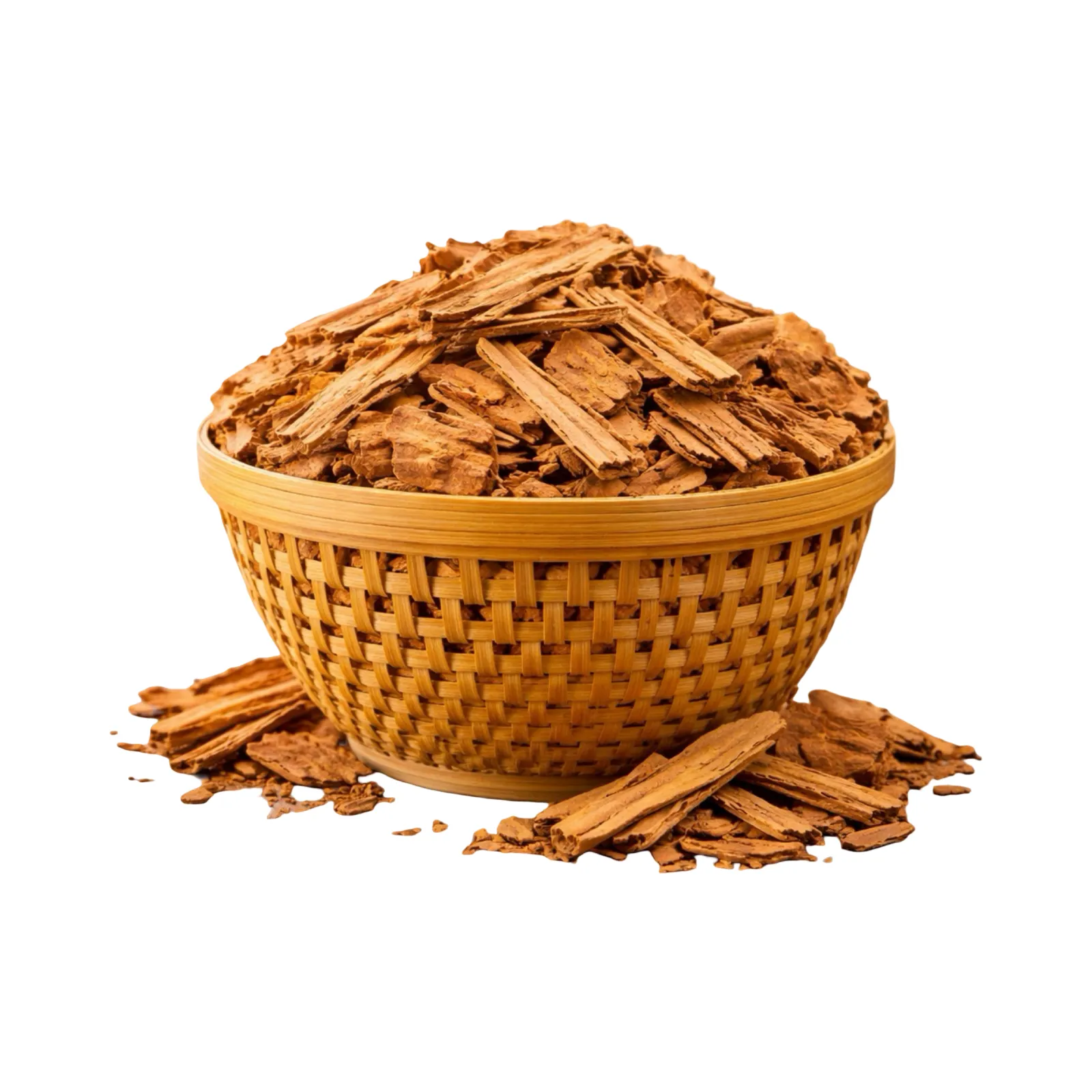
Cinnamon flakes are thin broken pieces or layers obtained from dried cinnamon bark during processing.
They are widely recognized for their:
- Warm sweet aroma
- Mild spicy flavor
- Thin flaky texture
- Rich essential oil content
- Culinary versatility
Cinnamon flakes are commonly used in:
- Spice blends
- Tea preparations
- Bakery products
- Desserts
- Curry preparations
- Beverage industries
They are available in multiple forms, including:
- Natural cinnamon flakes
- Cassia cinnamon flakes
- Organic cinnamon flakes
- Commercial spice-grade cinnamon flakes
Because of their strong aroma and processing convenience, cinnamon flakes remain highly valued in global spice markets.
Why Cinnamon Flakes Are Popular Worldwide
Cinnamon flakes remain globally popular because of their rich fragrance and broad culinary compatibility.
Major reasons for worldwide demand include:
- Sweet aromatic profile
- Extensive food industry applications
- Spice blend compatibility
- Beverage industry demand
- Bakery product usage
- Traditional culinary importance
- Premium seasoning applications
Cinnamon flakes are widely used in Indian, Middle Eastern, European, Asian, and international cuisines.
Origin and History of Cinnamon
Cinnamon has a long history connected to ancient spice trade and culinary traditions.
Historically:
- Cinnamon was one of the world’s most valuable spices
- Ancient traders transported cinnamon through global spice routes
- Culinary traditions adopted cinnamon into sweet and savory dishes
- International food industries increased cinnamon demand worldwide
Today, cinnamon continues to remain one of the world’s most recognized aromatic spices.
How Cinnamon Flakes Are Produced
Cinnamon flakes are produced through the processing of cinnamon bark.
Processing Method
The production process generally includes:
- Harvesting cinnamon bark
- Drying the bark naturally
- Peeling and processing
- Breaking into flakes
- Grading according to quality
Proper drying and processing help preserve aroma, flavor, and freshness.
Drying Process
Natural drying helps develop:
- Rich aroma
- Flaky texture
- Essential oil concentration
- Long shelf stability
The drying process is important for maintaining premium spice quality.
What Makes Cinnamon Flakes Unique?
Cinnamon flakes are globally valued because of their strong aroma and versatile culinary applications.
Key characteristics that make cinnamon flakes unique include:
- Warm sweet fragrance
- Convenient processing form
- Rich essential oils
- Easy blending capability
- Wide culinary compatibility
- Premium spice processing suitability
Their flake form allows easier grinding and commercial usage compared to whole bark sticks.
Types of Cinnamon Flakes
Cassia Cinnamon Flakes
Cassia cinnamon flakes are known for:
- Strong flavor intensity
- Darker appearance
- Higher pungency
- Commercial spice industry demand
They are widely used in spice blends and processed foods.
True Cinnamon Flakes
True cinnamon flakes offer:
- Mild sweet flavor
- Delicate aroma
- Softer texture
- Premium culinary applications
They are commonly used in desserts and beverages.
Organic Cinnamon Flakes
Organic cinnamon flakes are cultivated and processed without synthetic chemicals.
They are increasingly preferred in:
- Organic food industries
- Premium culinary markets
- Export sectors
- Natural ingredient industries
Cinnamon Flakes Benefits
Cinnamon flakes contain naturally occurring aromatic compounds that contribute to their culinary popularity.
1. Rich Sweet Aroma
Cinnamon flakes are valued worldwide for their warm and pleasant fragrance.
2. Naturally Enhances Flavor
Cinnamon adds sweetness and depth to food and beverage preparations.
3. Widely Used in Traditional Culinary Practices
Cinnamon has long been included in desserts, beverages, curries, and spice mixtures.
4. Contains Natural Essential Oils
Cinnamon flakes contain aromatic oils that contribute to flavor intensity.
5. Versatile Culinary Ingredient
Cinnamon works well in bakery products, teas, desserts, spice blends, and savory preparations.
Nutritional Value of Cinnamon
Cinnamon contains naturally occurring compounds and aromatic oils.
Key Components Found in Cinnamon
- Essential oils
- Dietary fiber
- Calcium
- Iron
- Antioxidant compounds
- Natural plant compounds
These compounds contribute to the culinary and commercial value of cinnamon flakes.
Uses of Cinnamon Flakes in Different Industries
Food Industry
Cinnamon flakes are widely used in:
- Spice blends
- Processed foods
- Curry preparations
- Desserts
- Ready-to-eat products
- Seasoning mixtures
Beverage Industry
Cinnamon flakes are extensively used in:
- Tea blends
- Herbal beverages
- Flavored drinks
- Traditional beverage preparations
Bakery Industry
Cinnamon remains an essential ingredient in:
- Cakes
- Pastries
- Cookies
- Bread products
- Dessert preparations
Hospitality Industry
Hotels and restaurants use cinnamon flakes in global cuisines because of their aromatic and flavor-enhancing properties.
Cinnamon Flakes vs Cinnamon Sticks
Cinnamon flakes and cinnamon sticks differ mainly in form and processing applications.
| Feature | Cinnamon Flakes | Cinnamon Sticks |
| Form | Broken bark flakes | Rolled bark sticks |
| Usage | Grinding and blending | Whole spice cooking |
| Processing Convenience | Easier | Moderate |
| Aroma | Strong and immediate | Slow flavor release |
Both forms are widely used in culinary and commercial spice applications.
Cinnamon Flakes in Culinary Applications
Cinnamon flakes play a major role in many culinary traditions worldwide.
They are commonly used in:
- Tea preparations
- Spice blends
- Desserts
- Bakery products
- Rice dishes
- Curry preparations
Their sweet aroma and warm flavor make them highly versatile in food industries.
Global Demand for Cinnamon Flakes
The demand for cinnamon flakes continues to grow because of:
- Expanding food industries
- Increasing spice consumption
- Growth in bakery sectors
- Rising demand for natural flavoring ingredients
- Premium culinary market expansion
Major import regions include:
- Middle East
- Europe
- United States
- Southeast Asia
Cinnamon flakes continue to attract global buyers looking for aromatic and premium spice ingredients.
How to Store Cinnamon Flakes Properly
Proper storage helps preserve aroma and flavor quality.
Best Storage Practices
- Store in airtight containers
- Keep away from direct sunlight
- Avoid moisture exposure
- Store in cool and dry conditions
Properly stored cinnamon flakes retain freshness and aroma for longer durations.
Frequently Asked Questions About Cinnamon Flakes
What are cinnamon flakes used for?
Cinnamon flakes are widely used in spice blends, tea preparations, bakery products, desserts, curries, and beverages.
Are cinnamon flakes the same as cinnamon sticks?
No, cinnamon flakes are broken bark pieces, while cinnamon sticks are rolled bark layers.
Why are cinnamon flakes popular in spice processing?
Their flake form allows easier grinding, blending, and commercial processing.
Can cinnamon flakes be used in tea?
Yes, cinnamon flakes are commonly used in tea and herbal beverage preparations.
What makes cinnamon flakes aromatic?
Natural essential oils present in cinnamon bark create their characteristic aroma.
Conclusion
Cinnamon Flakes continue to remain one of the world’s most essential and versatile aromatic spice products because of their warm fragrance, sweet flavor, and broad culinary applications.
From tea blends and desserts to spice mixtures and processed foods, cinnamon flakes have maintained their importance across global cuisines and commercial food industries.
Their aromatic richness, processing convenience, and compatibility with diverse culinary traditions continue to drive worldwide demand for this premium spice ingredient.
As global interest in authentic and naturally processed spices continues to rise, cinnamon flakes remain a preferred ingredient in kitchens, hospitality industries, bakery sectors, spice processing industries, beverage industries, and international spice markets because of their exceptional aroma, culinary versatility, and flavor-enhancing properties.